
Keeping a commercial gas system running smoothly isn’t just about turning it on when you need heat or hot water — it’s about safeguarding your business operations, controlling costs, and ensuring safety compliance. For businesses across the North East, commercial gas engineers like Priority FM play a vital role in delivering maintenance that prevents issues before they become expensive emergencies. The right maintenance plan is the difference between predictable operational costs and sudden, costly downtime.
This article explores how planned commercial gas maintenance works, why it matters for your business, and how it can save you money in both the short and long term. We’ll also look at how priority facilities management specialists like Priority FM ensure your gas systems remain safe, compliant, and efficient — keeping your operations running without disruption.
Understanding Planned Preventive Maintenance (PPM) for Gas Systems
What PPM Involves
Planned Preventive Maintenance (PPM) is a structured approach to keeping your commercial gas systems in optimal condition. Instead of waiting for something to break, PPM involves carrying out inspections, cleaning, testing, and servicing at scheduled intervals. This ensures potential issues are identified early and resolved before they escalate.
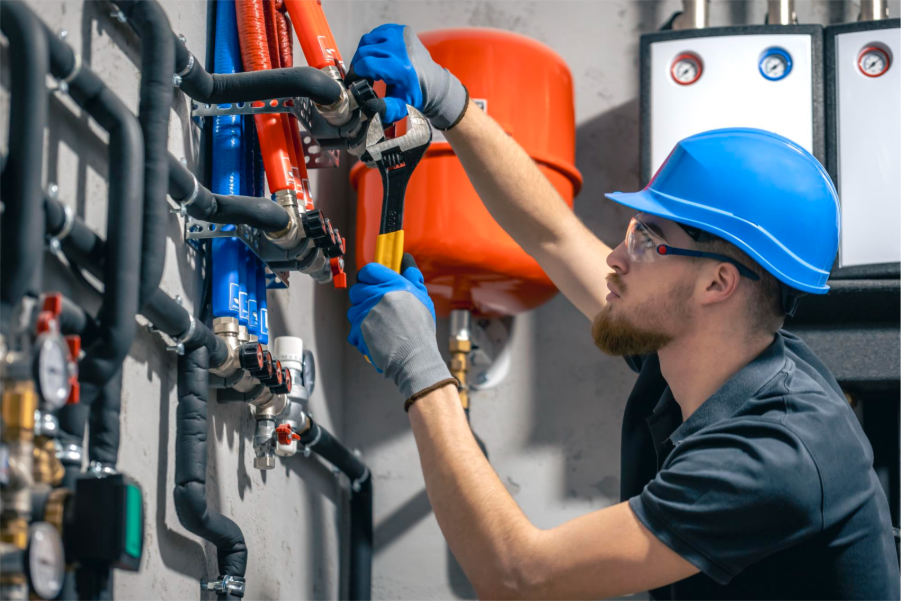
In a typical PPM visit for a commercial gas system, engineers will check for leaks, inspect burner performance, clean critical components, verify system pressure, and test safety devices. For boilers, this can mean checking heat exchangers, controls, and flue systems to ensure maximum efficiency and safe operation. It’s about keeping every part of the system working in harmony.
The Difference Between Planned and Reactive Maintenance
Reactive maintenance waits for a problem to occur before taking action — often resulting in higher costs, longer downtime, and a greater risk of safety incidents. Planned maintenance, on the other hand, is proactive. It reduces the likelihood of sudden breakdowns, ensures compliance with gas safety regulations, and helps businesses avoid the operational chaos that comes from losing heating or hot water unexpectedly.
Think of it like this: reactive maintenance is paying for a fire extinguisher after the fire has started; PPM is installing a reliable fire prevention system long before anything ignites.
Common Gas System Failures and How Maintenance Prevents Them
Boiler Breakdowns
Boilers are the workhorses of many commercial facilities, providing heating and hot water for offices, schools, healthcare buildings, and industrial sites. When a boiler fails, productivity can stall, staff comfort can be compromised, and in certain sectors — like hospitality — customer satisfaction can suffer instantly. Regular maintenance reduces limescale build-up, keeps burners running efficiently, and ensures that small issues don’t become full system failures.
Gas Leaks and Pressure Issues
Gas leaks pose serious safety risks and can result in forced shutdowns, emergency evacuations, and costly repairs. Low or inconsistent gas pressure can cause heating systems to run inefficiently, consuming more energy and increasing costs. Routine inspections and pressure tests during PPM help detect and fix these issues early, ensuring safety compliance and uninterrupted service.
Wear-and-Tear on Components
Valves, seals, gaskets, and ignition systems all experience wear over time. If these components fail, the whole system can grind to a halt. Preventive maintenance ensures parts are checked and replaced before they fail — keeping your equipment reliable and extending its working life.
Financial Benefits of Proactive Maintenance
Lower Repair Costs
Emergency call-outs and major repairs are far more expensive than scheduled servicing. By addressing minor issues before they escalate, PPM helps you avoid high one-off repair bills. Over the course of a year, the savings from avoided breakdowns can be significant, particularly for businesses operating multiple sites.
Increased Energy Efficiency
A well-maintained gas system runs more efficiently, consuming less energy to produce the same level of heating or hot water. Over time, this translates into reduced fuel bills and a lower carbon footprint — an important consideration for businesses working to meet sustainability goals.
Extended Equipment Lifespan
Commercial boilers and gas appliances are substantial investments. With consistent maintenance, you can extend their lifespan by several years, delaying the cost of replacements and maximising your return on investment.
How Priority FM Delivers Effective Gas Maintenance
Tailored Maintenance Schedules
Every business is different, which is why commercial facility maintenance from Priority FM is never one-size-fits-all. We develop maintenance schedules based on your system’s age, usage levels, and the operational demands of your site. This means your business gets the right level of care at the right time — without unnecessary servicing costs.
Experienced Engineers with Local Knowledge
As North East commercial gas engineers, Priority FM’s team combines deep technical expertise with an understanding of the local climate, infrastructure, and compliance landscape. This ensures faster diagnosis, effective repairs, and maintenance plans that fit the realities of operating in the region.
Safety Compliance as Standard
Gas safety is non-negotiable. All maintenance is carried out in line with UK safety regulations, with detailed records provided for compliance purposes. This not only protects your business legally but also safeguards staff, customers, and the environment.
Creating a Maintenance Plan for Your Business
Assess System Age and Usage
Older systems typically require more frequent checks, while high-use systems in sectors like hospitality or manufacturing may benefit from seasonal servicing. Assessing your current setup helps determine the best maintenance schedule.
Plan for Seasonal Demands
Heating demands increase in colder months, so scheduling servicing before winter can help avoid mid-season breakdowns. Similarly, businesses with year-round hot water needs should ensure systems are inspected regularly to prevent performance dips.
Integrate into Overall Facility Management
Commercial gas maintenance shouldn’t exist in isolation. Integrating it with your broader commercial facilities management strategy ensures that heating, electrical, and safety systems are all working together for maximum efficiency and uptime.
Conclusion
Planned commercial gas maintenance is more than just a box-ticking exercise — it’s an investment in business continuity, safety, and cost control. By adopting a proactive maintenance strategy, you can prevent the sudden breakdowns that lead to operational disruption, protect your business from unexpected repair bills, and ensure your gas systems are always operating at peak efficiency.
With Priority FM, you gain a partner who understands the demands of North East businesses and delivers tailored, compliant, and efficient maintenance solutions. The result? Peace of mind, improved efficiency, and a healthier bottom line.
For a tailored maintenance plan that keeps your operations running without interruption, contact Priority FM today and let us help you protect your business against costly downtime.
FAQs About Commercial Gas Maintenance
1. How often should commercial gas systems be serviced?
Typically, commercial gas systems should be serviced at least once a year, though high-use systems may require more frequent checks.
2. What is included in a planned maintenance visit?
A typical visit includes safety inspections, cleaning, component checks, efficiency tests, and compliance documentation.
3. Can maintenance reduce energy costs?
Yes — a well-maintained system runs more efficiently, reducing fuel consumption and lowering energy bills.
4. What industries benefit most from planned maintenance?
Hospitality, healthcare, education, manufacturing, and retail all benefit significantly from regular maintenance.
5. Is gas maintenance legally required?
Yes — UK regulations require businesses to keep gas systems safe and compliant, with annual safety checks conducted by qualified engineers.
6. How quickly can Priority FM respond to emergencies?
While PPM reduces the need for emergency call-outs, Priority FM offers fast response times for urgent issues to minimise downtime.
7. Can PPM improve system reliability?
Absolutely — regular servicing prevents common failures and keeps systems running smoothly year-round.
8. Will maintenance disrupt my business operations?
Planned visits are scheduled to minimise disruption, often carried out during off-peak hours.
9. Do you offer maintenance for multi-site businesses?
Yes — Priority FM can create coordinated maintenance plans for businesses operating across multiple locations.
10. How do I arrange a maintenance plan with Priority FM?
Simply contact us to arrange an assessment and receive a tailored schedule that meets your needs.