
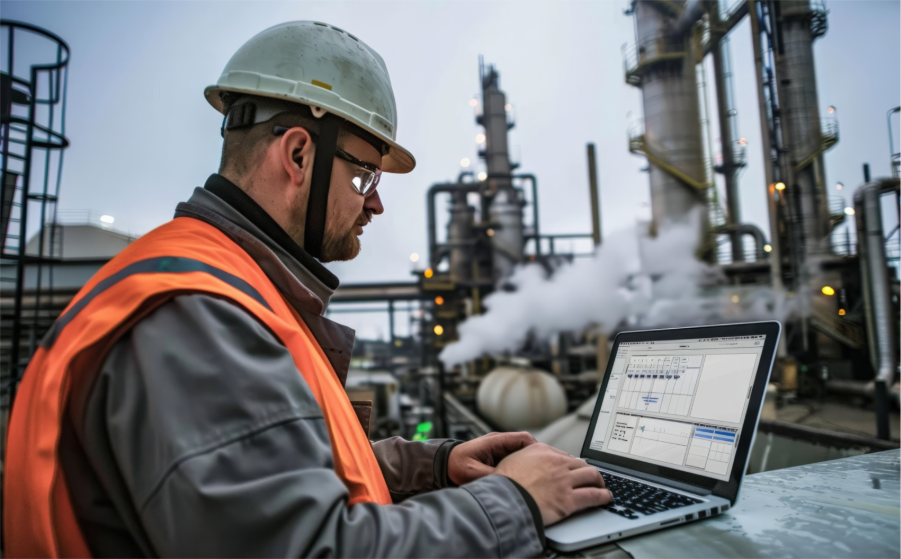
Running a business in the North East means balancing many responsibilities, but when it comes to the safety of your premises, few things are as critical as your gas systems. Whether it’s a restaurant relying on gas cooking equipment, a manufacturing plant running gas-fired machinery, or an office complex with a central heating system, gas safety inspections play a vital role in keeping operations safe and legally compliant.
At Priority FM, we see the same challenges arise time and again—businesses putting off inspections because they seem inconvenient or costly. But the reality is that a neglected inspection can result in far higher costs in downtime, repairs, legal penalties, or worse, an accident. That’s why we take a proactive approach to commercial facilities management, ensuring every gas-related risk is addressed before it becomes a hazard.
The Legal Requirements for Commercial Gas Safety in the UK
Many North East business owners don’t fully realise that gas safety is a legal obligation, not an optional extra. The UK has strict rules in place to protect workers, customers, and the general public.
Gas Safety (Installation and Use) Regulations 1998 Overview
The Gas Safety (Installation and Use) Regulations 1998 set the framework for how gas appliances and systems should be installed, maintained, and used. These regulations apply to all commercial premises, from small cafes to large industrial sites.
They state that only Gas Safe registered engineers are permitted to carry out gas work, and they require all equipment to be kept in a safe condition. For businesses, this means booking inspections on a regular schedule, keeping detailed records, and following any recommendations for repair or replacement without delay.
The CP42 Gas Safety Certificate Explained
If your business has gas appliances, you will almost certainly need a CP42 Commercial Gas Safety Certificate. This document proves that your systems have been checked by a qualified engineer and meet the safety standards required by law. Without it, you’re operating outside compliance—a risk that no responsible facilities manager should take.
For example, in hospitality environments where high gas usage is common, inspectors will check for leaks, ventilation adequacy, appliance performance, and emergency shut-off systems. The CP42 confirms that all these elements have passed inspection.
How Often Inspections Are Legally Required
Legally, most commercial premises must undergo a gas safety inspection at least once every 12 months. In high-demand sectors such as healthcare or manufacturing, more frequent checks may be recommended to reduce the risk of breakdowns or hazardous incidents.
A well-organised commercial facility maintenance schedule will ensure that inspections never slip through the cracks, keeping you fully compliant and operational all year round.
Safety Risks of Neglecting Gas Inspections
Skipping or delaying gas inspections can have severe, even life-threatening consequences.
Gas Leaks and Carbon Monoxide Dangers
Gas leaks are one of the most dangerous hazards in any workplace. Even a small leak can lead to fires or explosions, and carbon monoxide poisoning is a silent killer—odourless, invisible, and potentially fatal. Regular inspections detect leaks early, preventing harm before it happens.
Equipment Failure and Operational Downtime
When gas-powered equipment fails unexpectedly, it can bring your business to a standstill. For a restaurant, that could mean losing an entire evening’s service. For a manufacturing facility, it could mean missed production targets. These kinds of interruptions not only cost money in the moment but can damage customer relationships in the long term.
Legal and Financial Penalties for Non-Compliance
Operating without a valid CP42 can result in substantial fines or even forced closure until compliance is restored. In some cases, insurance policies may be voided if you are found to have neglected your legal obligations, leaving you financially vulnerable.
This is why proactive priority facilities management is essential—not just for safety, but for business continuity and reputation.
Benefits of Regular Gas Safety Inspections
The benefits of staying on top of your inspection schedule extend far beyond simply meeting legal requirements.
Protecting Your Staff and Customers
Nothing is more important than safety. Regular inspections ensure that your workplace is free from hidden gas-related dangers, creating a secure environment for everyone on site.
Maintaining System Efficiency
A well-maintained gas system will operate more efficiently, using less energy to deliver the same performance. Over time, this can significantly reduce your energy bills—a welcome benefit in today’s cost-conscious business climate.
Reducing Long-Term Repair Costs
Minor issues spotted early can be fixed at minimal expense, while neglected problems often lead to expensive repairs or full system replacements. Scheduled inspections act as a safeguard against these unexpected costs.
How Priority FM Conducts Gas Safety Inspections
We approach inspections with the same thoroughness we bring to all aspects of commercial facilities management.
Step-by-Step Inspection Process
Our engineers begin with a detailed consultation, reviewing your systems and any past maintenance records. They then conduct a visual assessment, followed by advanced leak detection and performance testing. Once every appliance and pipe has been checked, we provide a clear, written report outlining our findings and any recommendations for corrective action.
Qualified Engineers and Certifications
Every inspection is carried out by a fully qualified, Gas Safe registered engineer. This ensures your business is not just compliant on paper, but genuinely safe in practice.
Compliance Documentation Provided
We provide all required documentation, including your CP42 certificate, so you can easily demonstrate compliance to regulators, insurers, and stakeholders.
How to Prepare for Your Next Gas Inspection
A little preparation can make your inspection quicker and more efficient. Keep a current asset list of your gas appliances, schedule inspections during quieter periods to minimise disruption, and ensure maintenance logs are up to date.
If you work with a trusted partner for commercial facility maintenance, much of this preparation will already be taken care of for you.
Choosing the Right Commercial Gas Engineer in the North East
Why Local Expertise Matters
Local engineers know the unique regulatory environment of the North East and can respond quickly to urgent needs.
Verifying Gas Safe Credentials
Always check for Gas Safe registration before hiring an engineer. This is your assurance that they meet the professional standards required by law.
The Priority FM Difference
We combine technical expertise with a commitment to exceptional service. From priority facilities management to specialist gas safety work, we provide end-to-end solutions that keep your business running smoothly and safely.
Conclusion
Gas safety inspections aren’t just about ticking a compliance box—they’re about protecting people, preserving your assets, and ensuring the smooth running of your business.
Priority FM is here to help you meet every requirement, from annual CP42 certification to ongoing maintenance and repairs. If it’s time to arrange your next inspection, contact us today and let us keep your gas systems operating safely and efficiently.
FAQs About Commercial Gas Safety Inspections
Q: Do all commercial premises need annual gas inspections?
Yes. If you have any gas-powered appliances, heating systems, or pipework, the law requires an annual safety check by a Gas Safe registered engineer. This is mandatory for all types of businesses, from hospitality and retail to industrial facilities.
Q: Can I schedule inspections outside normal business hours?
Absolutely. At Priority FM, we understand the importance of minimising disruption to your operations. We offer flexible appointment times, including evenings or weekends, as part of our broader commercial facilities management service.
Q: What happens if a problem is found during the inspection?
If an issue is identified, we will provide a clear, written report with photos where applicable. We can then arrange for repairs, maintenance, or replacement parts, ensuring your systems return to compliance quickly.
Q: How long does a commercial gas safety inspection take?
The duration depends on the size of your premises and the complexity of your gas systems. For smaller properties, it may take a few hours, while large industrial sites may require a full day or more.
Q: What is the difference between a domestic and commercial gas inspection?
Commercial inspections involve larger, more complex systems that may serve multiple appliances or buildings. They also require compliance with specific commercial safety regulations and often involve more advanced testing equipment.
Q: Do I need to keep records of my gas inspections?
Yes. You must keep inspection reports and your CP42 Gas Safety Certificate on file. These may be required during compliance audits or insurance assessments.
Q: Can Priority FM handle both inspection and ongoing maintenance?
Yes. We offer full commercial facility maintenance packages, meaning we can inspect, repair, and maintain your gas systems throughout the year. This helps prevent issues between inspections.
Q: What qualifications should a commercial gas engineer have?
They must be Gas Safe registered for commercial work, with relevant certifications for the type of appliances and systems being inspected. Priority FM only uses fully qualified and experienced engineers for your safety and compliance.
Q: How do gas inspections help reduce energy costs?
By ensuring your equipment runs efficiently, inspections can prevent energy waste. Leaks, faulty burners, or poor ventilation can all increase gas consumption, leading to higher bills.
Q: What are the consequences of skipping an inspection?
Fines, invalidated insurance, business closure, and—most importantly—serious safety hazards. It’s not worth the risk; regular inspections protect people, property, and your reputation.